

This page uses javascript to help render elements, if you have problems please enable javascript.
 
You are now inside the main content area


left col

Motor Behavior

right col
 
left col

Focus Area Overview

The focus area in Motor Behavior explores how humans acquire, control, refine, and retain motor skills across the lifespan. Integrating principles from motor learning, control, and development, the program prepares students to apply evidence-based knowledge to improve human movement in health, sport, and rehabilitation settings. It’s ideal for students seeking careers in allied health, human performance, ergonomics, or doctoral research in movement science.

right col
 
left col

Career Paths

  • Occupational Therapy or Physical Therapy – applying knowledge of motor development and control to help clients regain or improve functional movement.
  • Pediatric and Developmental Services – working with children with motor delays or developmental disabilities in early intervention or school-based programs.
  • Rehabilitation and Movement Analysis – assisting in clinics, hospitals, or research settings to assess and enhance motor performance.
  • Human Performance and Coaching – optimizing skill acquisition and motor learning in sport, dance, and fitness settings.
  • Research or Data Analysis – studying movement behavior in academic labs, biomechanics centers, or health-tech companies using motion capture and wearable sensors.
right col
 
left col

Faculty Mentors

Our faculty are active researchers and educators who provide hands-on mentorship in motor learning, control, and development.

Joao Barros, Ph.D. – Motor Learning and Performance Optimization

Do Kyeong Lee, Ph.D. – Motor Development and Lifespan Adaptation

Pria Patel, Ph.D. – Motor Learning and Developmental Neuroscience

right col
 
left col

Highlight Research Topic Areas

  • Early Motor Development & Movement Mechanisms
    Study of spontaneous movements, posture, and locomotor experience in infancy—identifying underlying motor mechanisms that influence skill acquisition across the lifespan and in clinical populations.
  • Movement Assessment Using Advanced Biomechanics & Behavioral Analytics
    Development of video- and sensor-based methods (motion capture, wearable sensors, Datavyu coding, MATLAB/Ruby tools) to quantify movement patterns for diagnostic and therapeutic applications.
  • Intervention Strategies for Infants and Children With Motor Disabilities
    Identification of optimal movement intensity and motivation strategies and translation of findings into early physical activity and pediatric physical therapy interventions to improve health and functional outcomes.
right col
 
left col

Course Requirements

Students complete core coursework in motor learning, motor control, and research methods, with elective options in biomechanics, neuroscience, and performance analysis. A research thesis or project allows students to apply theory to real-world questions in human movement.

All official graduate study plans must include:

  • KNES 508 – Statistical Methods in Kinesiology
  • KNES 510 – Research Methods in Kinesiology
  • Two 500-level advanced courses, including:
    • KNES 571 – Advanced Study in Human Motor Control and Learning (required)
    • Plus one of the following:
      • KNES 580 – Advanced Study in Sport and Exercise Psychology
      • KNES 558 – Advanced Study in Teaching Human Movement
right col
 
left col

Research Labs /Centers

Motor Behavior Lab: https://motorbehavior.netlify.app/index.html

right col
 
left col

Successful Case

Dr. Nicola Polic, PT, DPT, in LAGUNA WOODS, CA (No Picture)

“My training in the Motor Behavior program gave me the foundation to work with neurorehabilitation patients using motion analysis tools.”

right col
 
left col
right col
 
left col

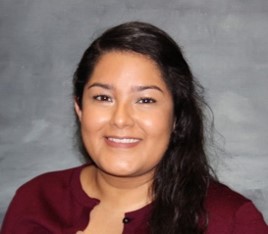
Erika Garcia

Erika Garcia Mora, Ph.D.

CSUF was where I found my passion for research. The faculty’s support and guidance continue to influence my work as a post-doctoral fellow at Children’s Hospital Los Angeles.
right col
 
left col

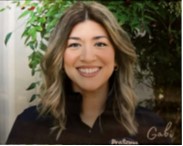
Gabriela Carey-Zuniga

Gabriela Carey-Zuniga, PT, DPT

CSUF gave me a research foundation that proved invaluable in PT school. From learning the Motor Bayley Scale to presenting at national conferences, the skills I developed with Dr. Lee continue to guide my work as a physical therapist today.

right col
 
left col

Question & Answer

Why Choose the Motor Behavior Program at CSUF?

Our program combines rigorous scientific training with hands-on research and mentorship. Students gain the skills to analyze, teach, and enhance human movement — preparing them for impactful careers in healthcare, performance, and research.

right col
 
left col
right col